Context
What I walked into
When I joined Mobal in 2023, there was no design system, no research practice, and no dedicated design function. The product had grown out of Mobal’s managed services business — internal tools the team had built to manage Google Business Profiles for customers, later productized into a SaaS offering.
Early traction proved the problem space was real. But the product had a structural limitation that was becoming harder to ignore: it was built around Google as the source of truth. Every workflow, every integration, every data model flowed through Google’s ecosystem. Innovation had to fit within Google’s constraints.
In my first weeks I embedded with every function — sales, CS, engineering, and the CEO — and mapped where the product was losing deals, where customers were churning, and where the team’s own ambitions were being constrained. What emerged was a clear diagnosis: the product couldn’t grow because it didn’t own its own data.
2023: Week 1–3Cross-functional discovery Embedded across sales, CS, engineering, and leadership. Synthesized findings into a clear strategic problem: Google as source of truth was a ceiling, not a foundation. Presented this diagnosis to Jakob (CEO) and tech lead as the starting point. | 2023 · Month 2+Platform design begins Aligned on the architecture shift. Designed the Mobal Business Profile as the new central data layer — the foundation everything else would be built on. Began the platform build in parallel with establishing the design system from scratch. |
2023–2024Platform capabilities shipped Self-serve onboarding, multi-location management, AI features, cross-platform publishing — shipped iteratively as the platform stabilized. ARR grew from $300K toward $1M as each capability unlocked a new customer segment or removed a growth ceiling. | 2024 · JulyMobal Next initiative launched A year into the platform build, a pattern in the data became undeniable: restaurants were the highest-value, highest-NPS, highest-potential segment — and they needed more than what we'd built. Launched a structured strategic initiative to define the next chapter. |
Original Product State · 2023
Google as source of truth” — this is the before state
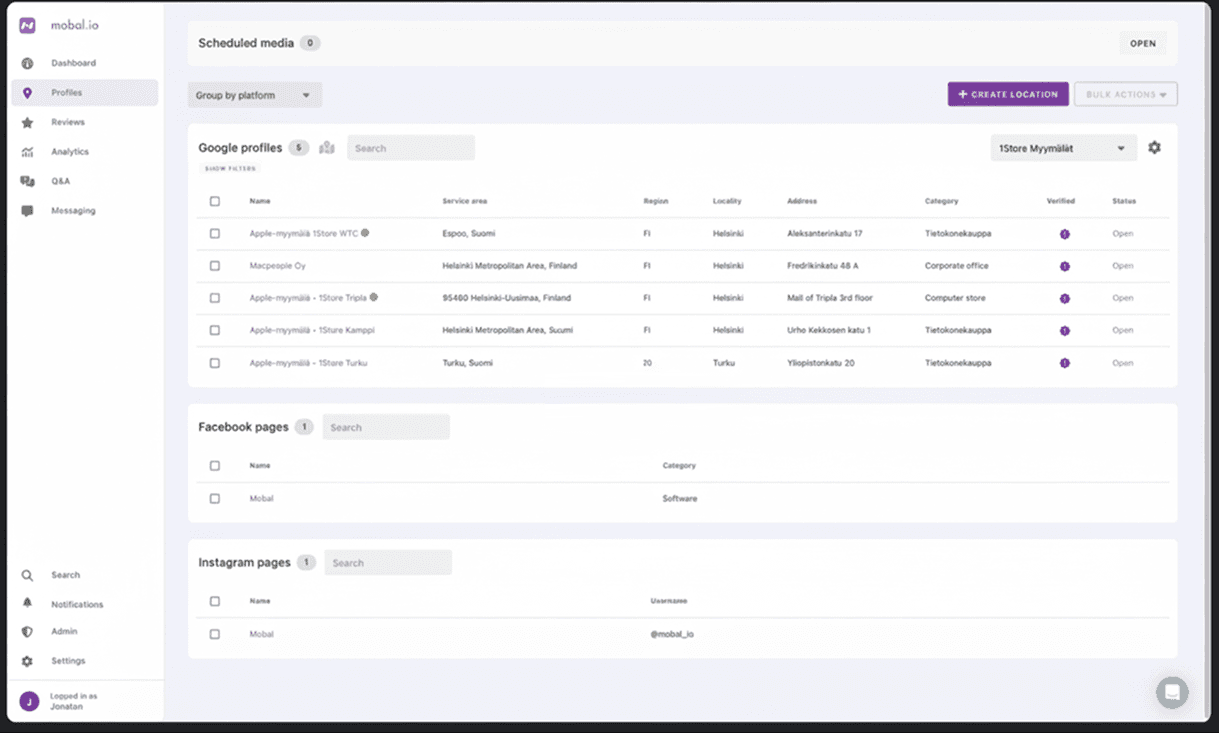
Problem (2023)
The product didn’t own its data
Through the initial discovery sprint — sales calls, CS interviews, and direct customer conversations — a core issue emerged with unusual clarity. The product’s entire value proposition depended on a platform it didn’t control.
1
Platform Dependency
Product functionality was constrained by Google’s data structure and APIs. Every feature decision had to fit within those walls.
2
Fragmented Presence
Customers managed listings across Google, social media, maps, and review platforms — but Mobal only touched one of them.
3
Blocked Expansion
Customers wanted automation, analytics, and multi-platform publishing. The architecture made these features structurally impossible.
What Internal teams were telling us:
Sales team - Discovery Sprint
“We’re losing deals to tools that do more than Google listings. Customers want one place to manage everything, we can only do one platform.”
CS Team · Discovery Sprint:
“Our highest-touch customers are restaurants. They need more than listing management and need us to own the whole presence layer for them.”
Discovery → Strategic Insight:
“One place where we manage our business information across map and listing platforms on web, and everything else updates automatically.”
This is a recurring theme across early customer conversations, This wasn’t a feature request. It was a description of a different product category entirely — one Mobal wasn’t yet, but could become.
Before | After |
|---|---|
Customer -> Google -> Mobal | Customer -> Mobal -> All Integrations |
Key decisions:
Three moments that defined the build
I worked directly with the CEO and tech lead, managed one designer, and brought in design consultants as the roadmap expanded. Made a key strategic reframe that Mobal should own the business data layer, not depend on Google ,so came out of the cross-functional discovery I ran in my first weeks. I translated those findings into a proposal that shifted the company’s entire product direction. Three moments that defined the build
-
Pushed self-serve onboarding against organizational resistance
The prevailing belief inside Mobal was that the product wasn’t ready for self-serve — and that growth should be contained to Finland first, then scaled slowly with white-glove onboarding. CS and ops teams had built processes around manual customer setup. They weren’t protecting bad practice; they were protecting a model that had worked at small scale.
I argued differently. The manual onboarding model wasn’t a quality signal — it was a growth ceiling. It meant every new customer required CS time, which made expansion outside Finland economically unsustainable. Self-serve wasn’t a risk to quality; it was the precondition for scale.
The conviction moment
Finland-first was a belief, not a strategy.
The product was ready for self-serve. What wasn’t ready was the organization’s trust in it. Reworking onboarding helped remove that barrier and unlock growth outside Finland.
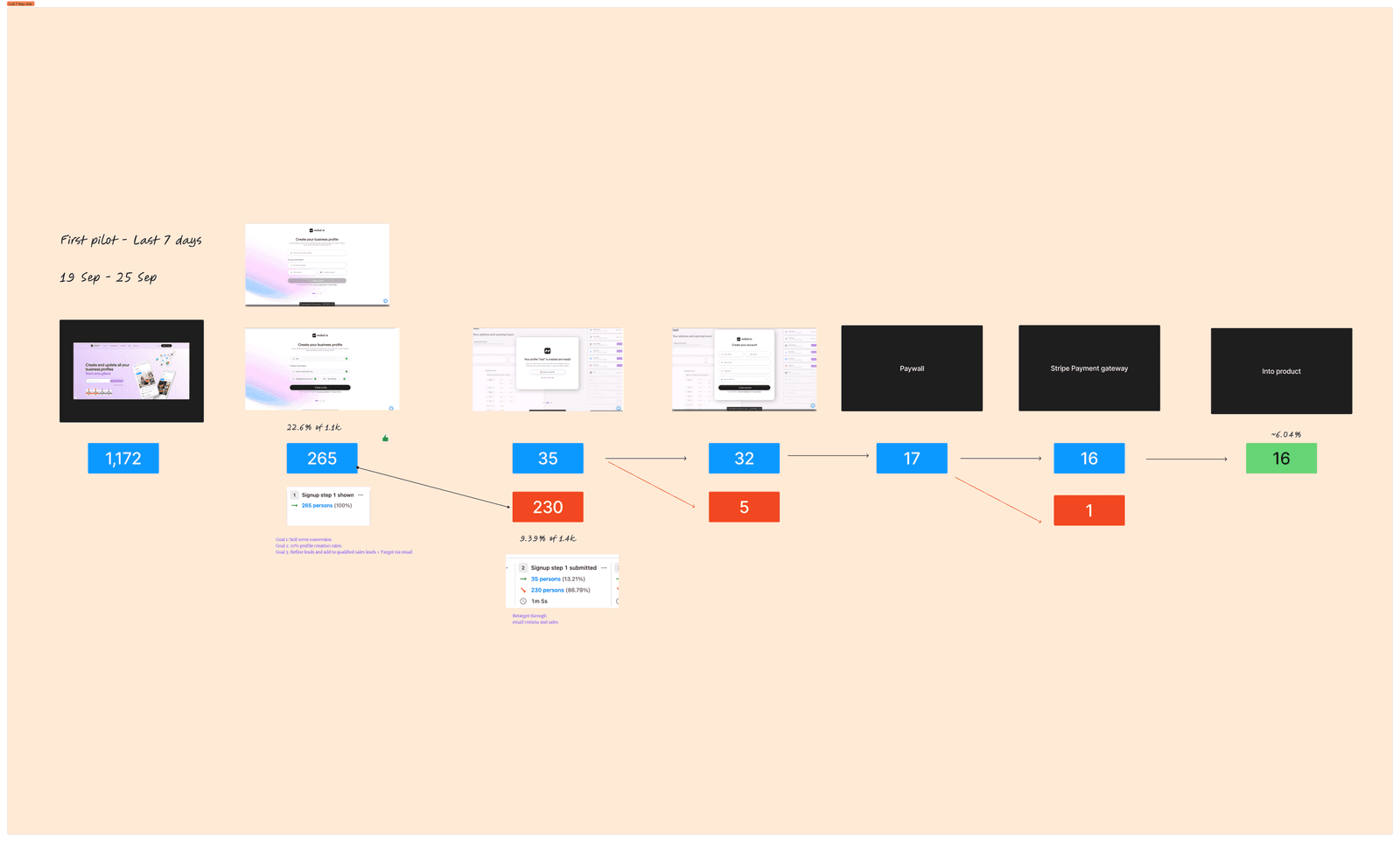
Piloted the first self-serve onboarding experience. Through continuous testing and follow-ups, we built a flow supporting both self-serve users and sales-assisted leads. Over two quarters, this helped convert a large portion of users who previously dropped off during onboarding.
-
Built multi-location management to unlock enterprise
As the platform stabilized, it became clear that the highest-value customers operated multiple locations — and the product had no efficient model for managing them at scale. Bulk editing, location grouping, centralized content management, and location-specific overrides weren’t feature additions. They were the architectural unlock for the enterprise segment.
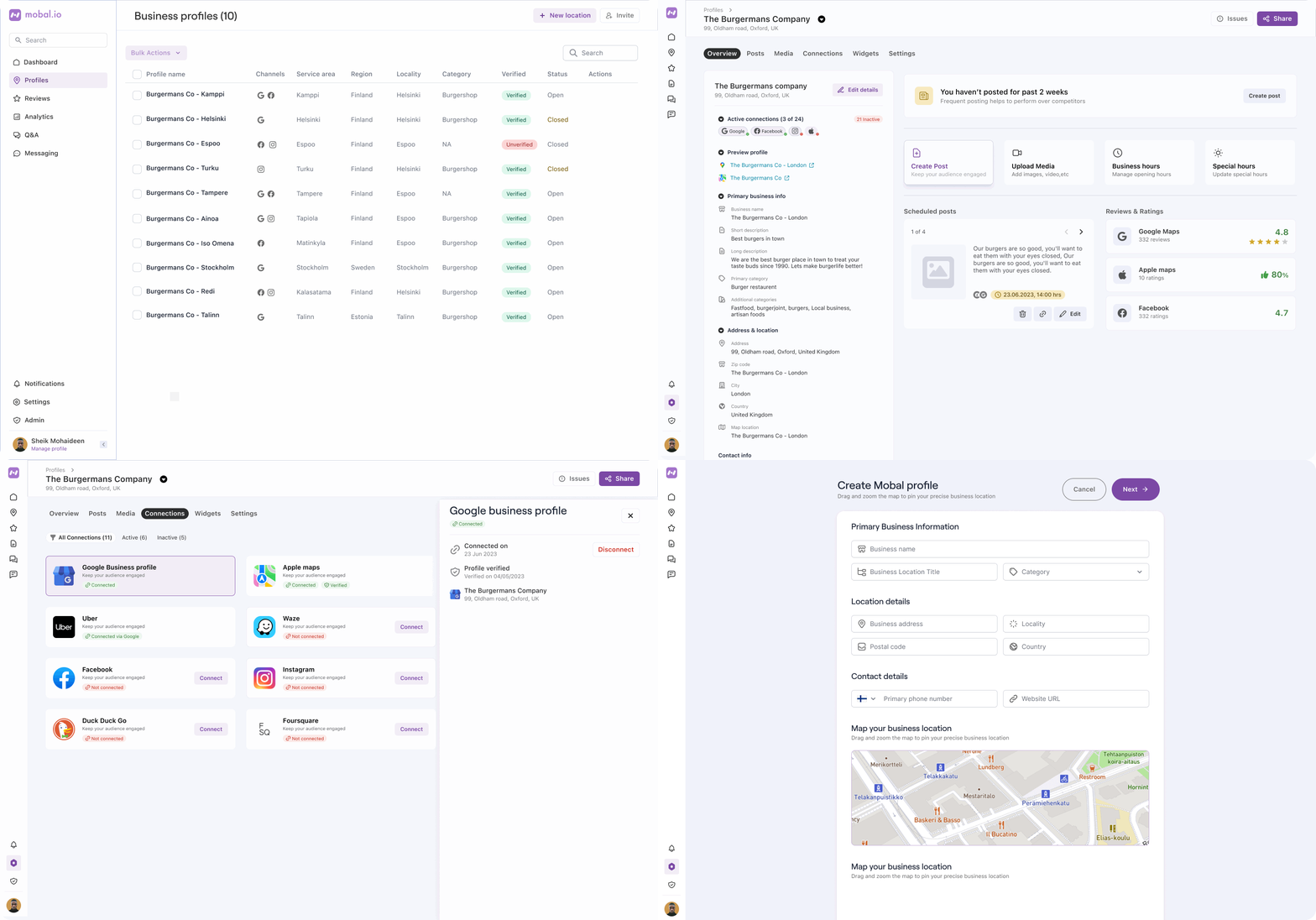
-
Recognised the restaurant segment signal — and launched a dedicated initiative
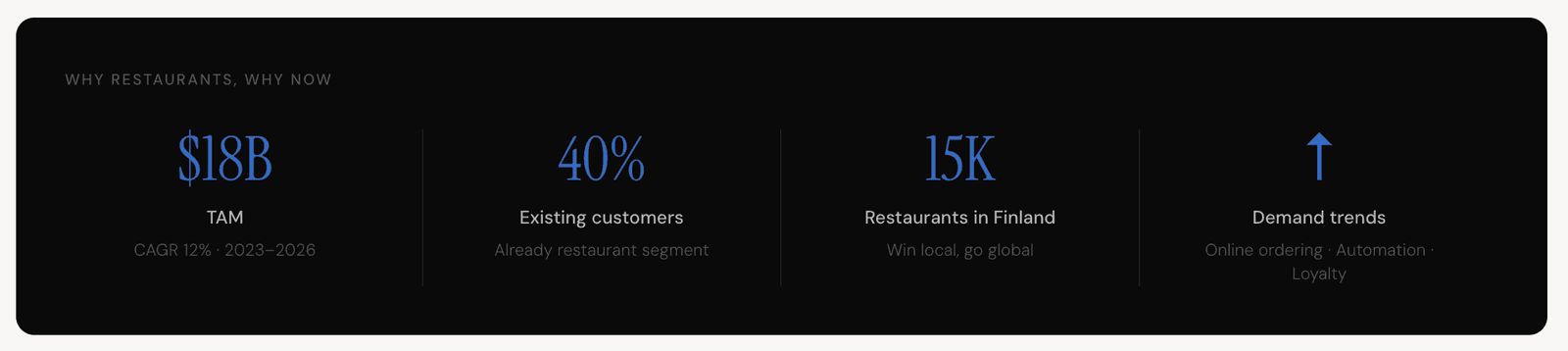
A year into the platform build, the data pointed clearly at one segment: restaurants were 40% of customers, highest NPS, highest CS complexity. The product had given them a better foundation, but hadn’t solved the deeper problem they had — fragmented menus, disconnected ordering, no single source of truth for their full digital presence.
This signal was the basis for the Mobal Next initiative — a structured research-and-strategy sprint that produced a board-level strategic deck, field research with Helsinki restaurant owners, and a funded proposal for Restaurant OS. That chapter is detailed in full below.
See : mobal next intiaitive
How did design contributed to Product strategy shift
Six weeks of workshops, field research, and strategic synthesis — resulting in board approval and Bridge Pre-Series A funding from Gorilla Capital.
Platform Capabilities
The central data layer. Each location’s complete business information — hours, menus, photos, services — managed once and distributed to all connected platforms.
The centralized data model made capabilities possible that were structurally impossible before. Each of these was designed end-to-end — from concept to production — as the founding designer designed these features end-to-end.
Mobal Business Profile
Self-Serve Onboarding
The growth unlock. Businesses could create profiles, connect integrations, and begin managing listings without CS involvement — opening expansion beyond Finland.
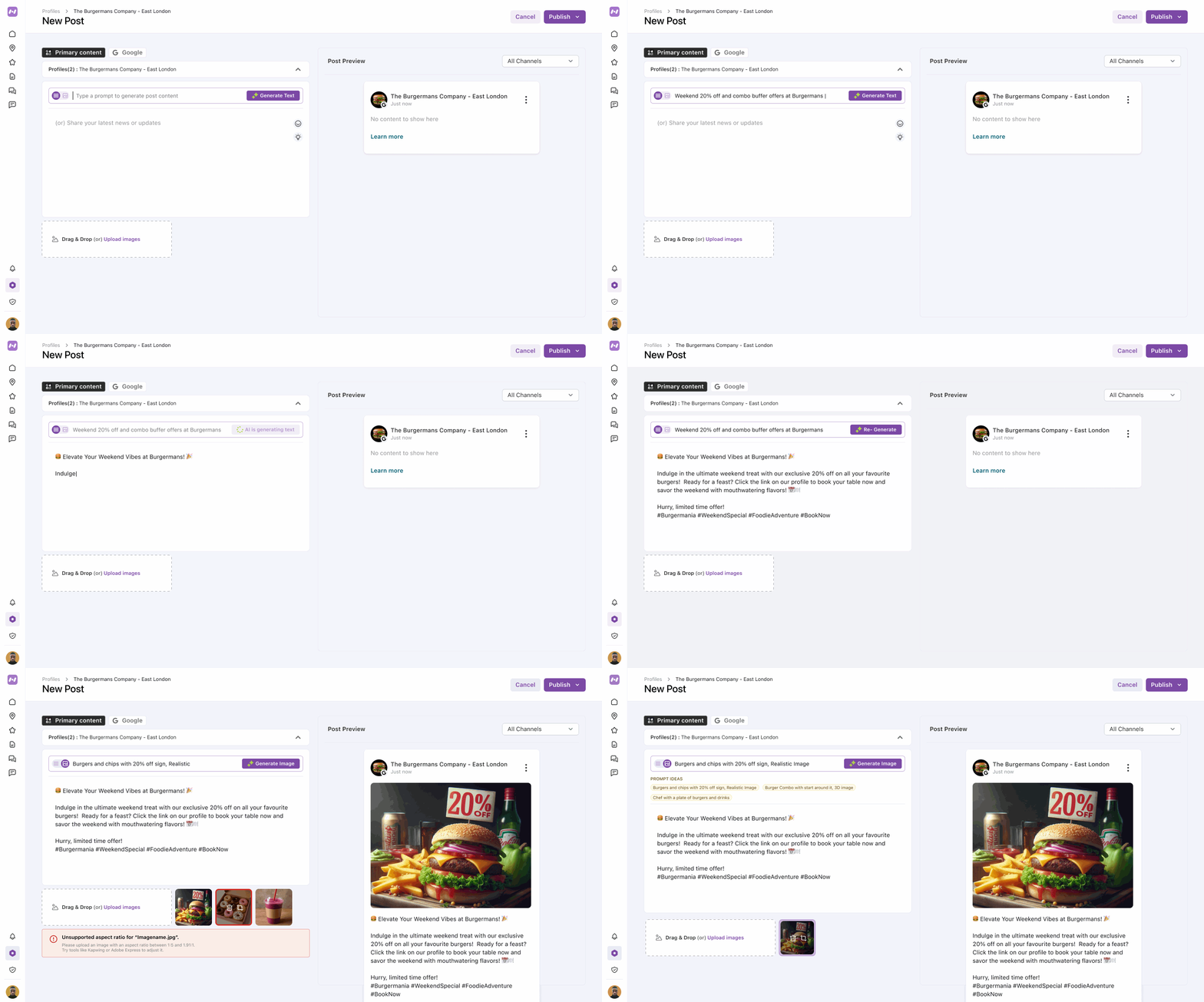
AI Content Generator
Businesses could generate and publish localized social posts automatically — the first AI feature enabled by the centralized data model.
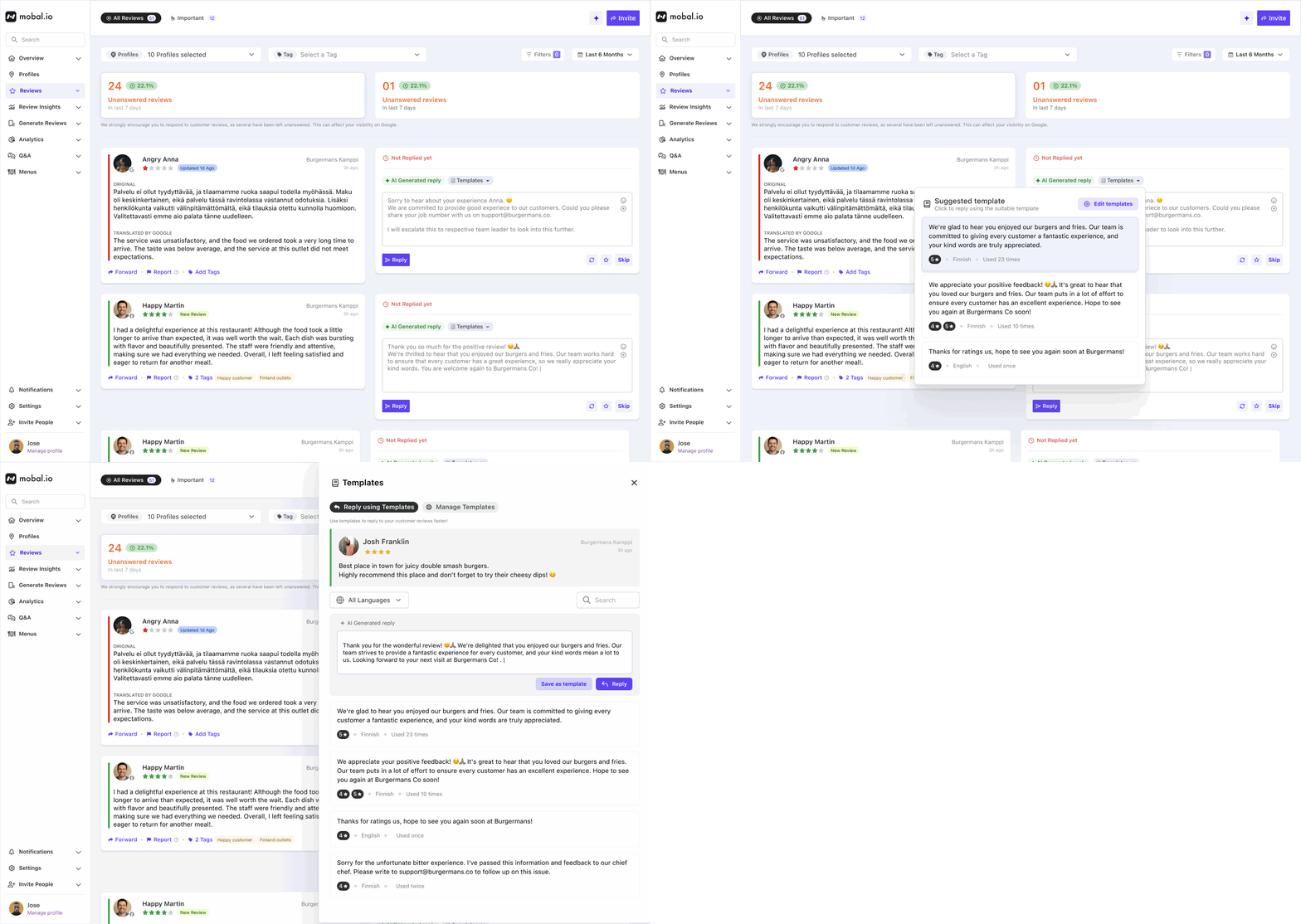
Review Management & AI Responses
Aggregated reviews from multiple platforms with AI-assisted response generation and sentiment trend analysis. Built on the same data layer.
Multi-Location Bulk Management
Bulk editing across hundreds of locations, grouping, centralized content management with location-specific overrides. The enterprise unlock.
Cross-Platform Publishing
Updates pushed simultaneously across all connected platforms — Google, social, maps, review sites — from a single source of truth.
Business Profile Dashboard · Full View
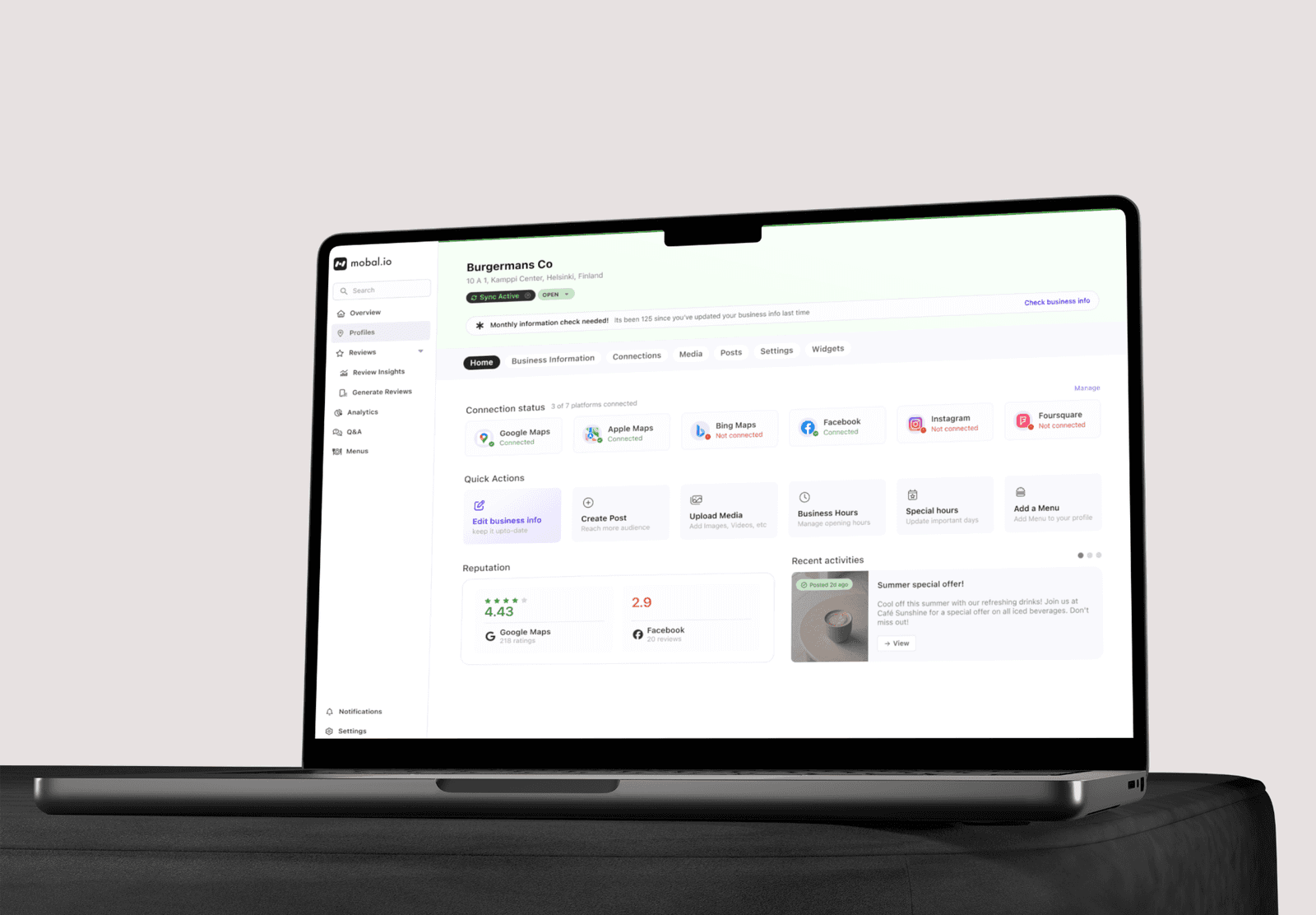
AI Review Responses
Built the design system in parallel
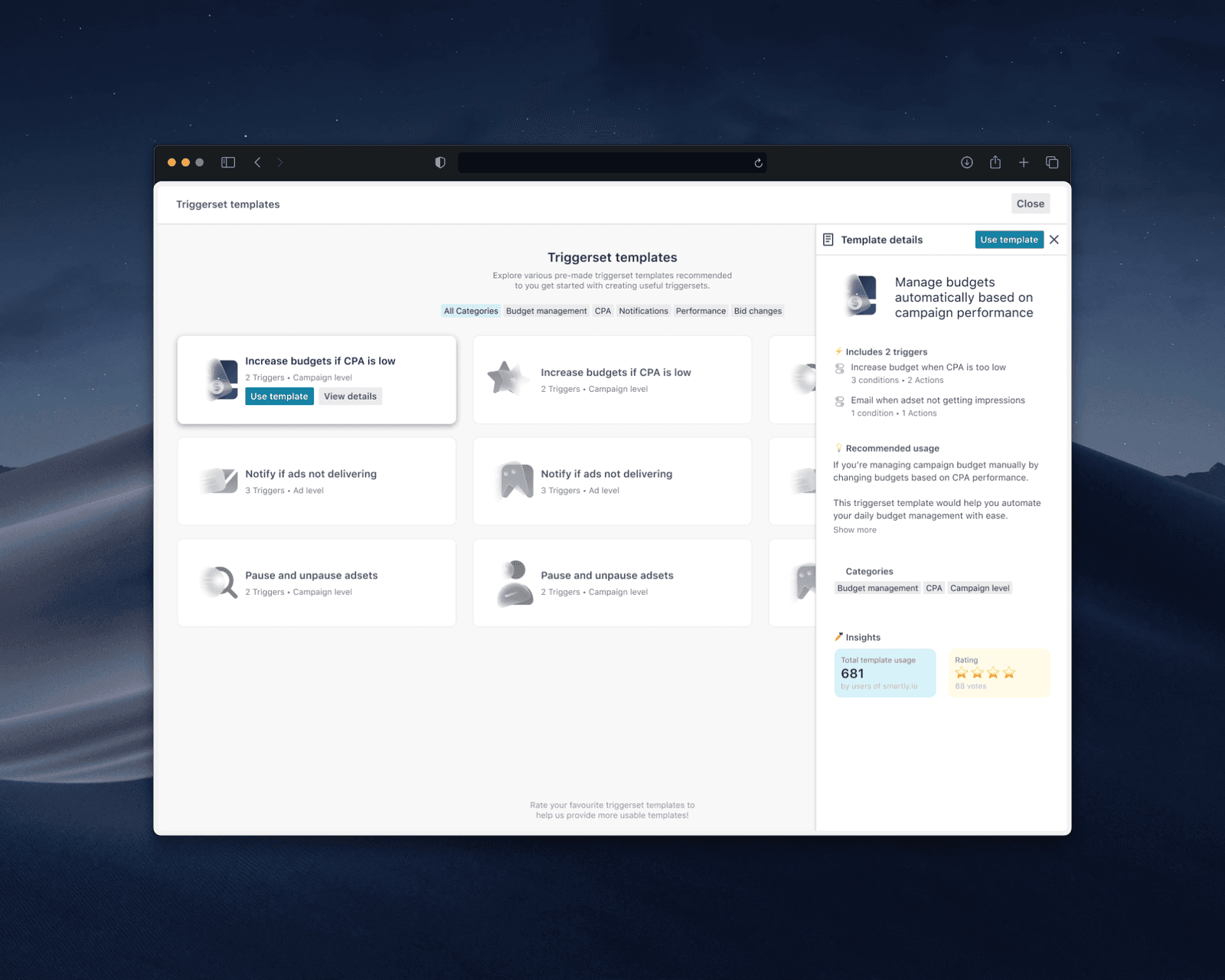
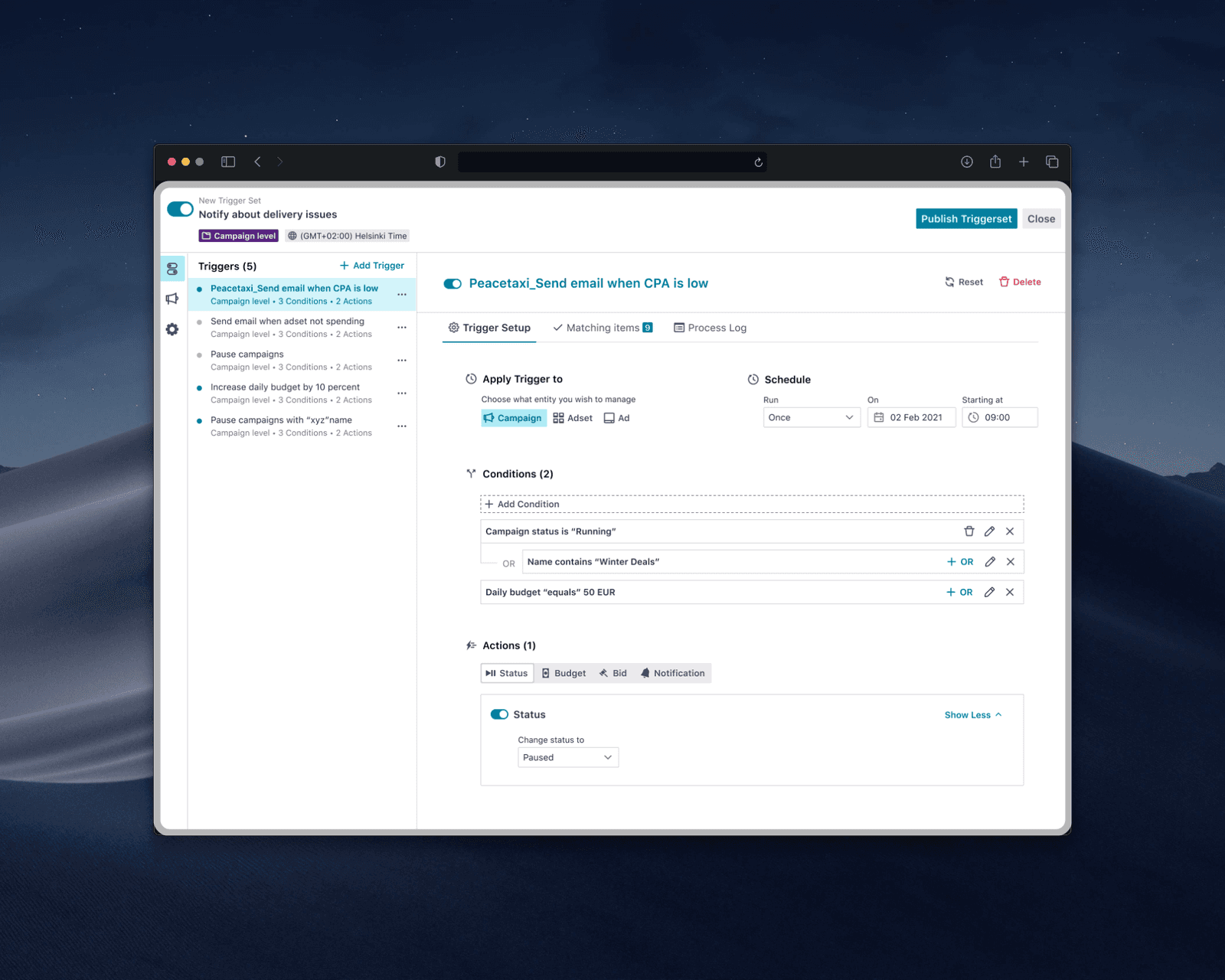
There was no design system when I joined — no component library, no token architecture, no shared language between design and engineering. I built the Mobal Design System from scratch alongside the product build: Figma component library, token architecture, and Storybook implementation guidance. It’s what let a one-person design function ship at a quality level that looked like a much larger team. Read Design system Case study
Impact
A year in, the data pointed somewhere bigger
By mid-2024 the platform was stable and growing. But one pattern in the data kept getting louder: restaurants were 40% of our customer base, our highest-NPS segment, and our most complex CS cases — not because they were demanding, but because the product wasn’t solving the deeper problem they had. I proposed a structured initiative to figure out what that next chapter should be.
3.3x
ARR growth $300K → $1M in 16 months
Enterprise Ready
Enterprise expansion into multi-location brands
Restaurant OS
Bridge Pre-Series A funded Restaurant OS approved
The two primary growth levers were self-serve onboarding and multi-location bulk management. Self-serve removed the geographic and operational constraint that had kept Mobal Finland-first — opening international customer acquisition without proportional CS cost. Multi-location management unlocked enterprise deals that the product couldn’t previously support.
The AI features such as review responses and content generation weren’t the ARR driver in this window, but they were the capability that justified premium pricing and differentiated Mobal from simpler listing tools. They were only buildable because the centralized data model existed. Now we’ve AI Agent feature targeting enterprise customers for various bulk actions that saves a lot of time and helps customers manage hundreds of locations swiftly. For example changing holiday hours of a supermarket chain’s all of 100+ locations within seconds.
The Restaurant OS proposal a strategic deck combining field research and concept visuals was approved by leadership and presented to the board. It became the rationale for the company’s bridge funding round.
The Restaurant OS deck wasn’t a product spec. It was a strategic argument, it was built from customer research, segment analysis, and a concept vision — that gave the board conviction the company had a defensible next chapter. Design work that directly contributed to a funding event.
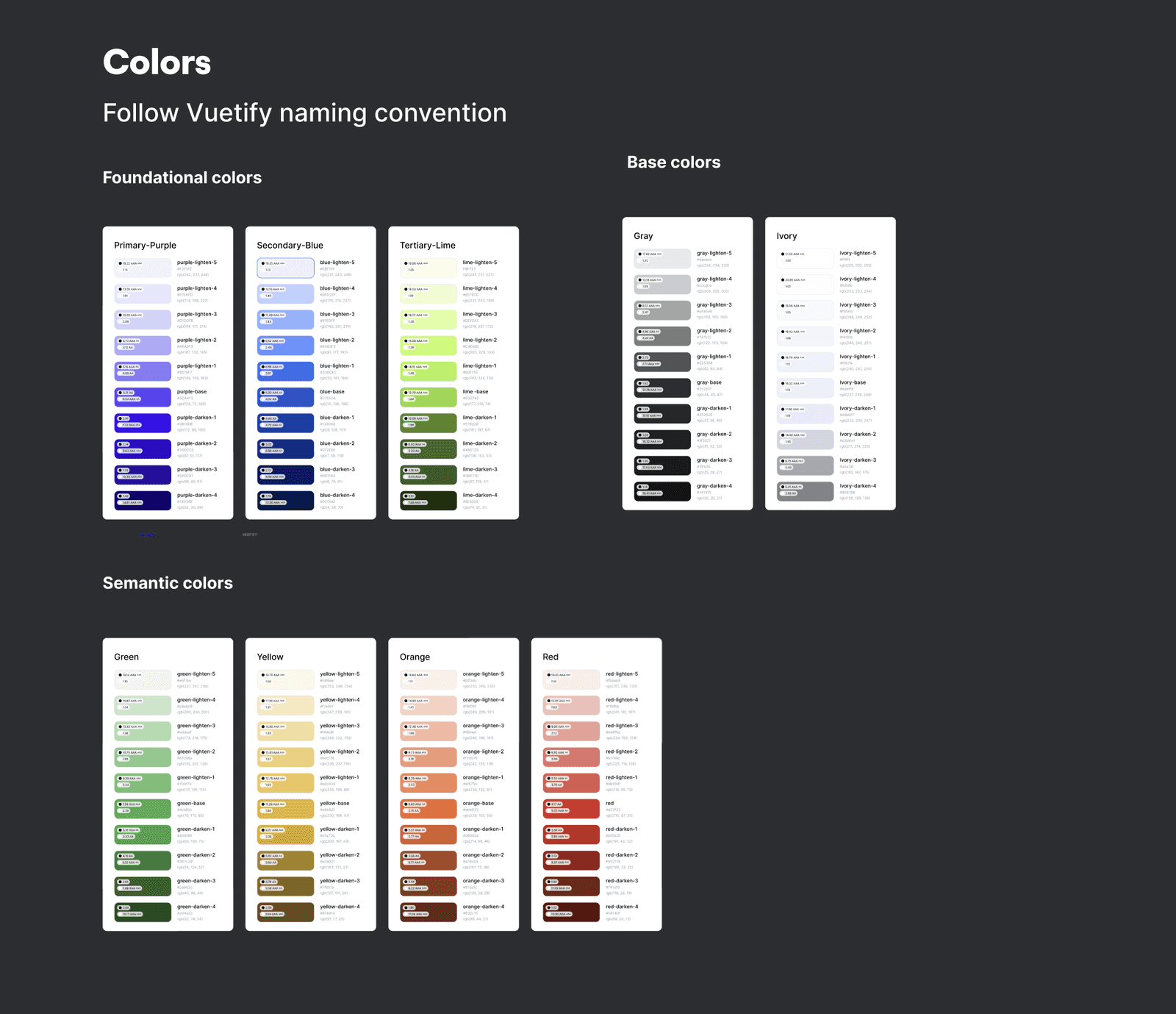
Color system
01 // ARCHIVE
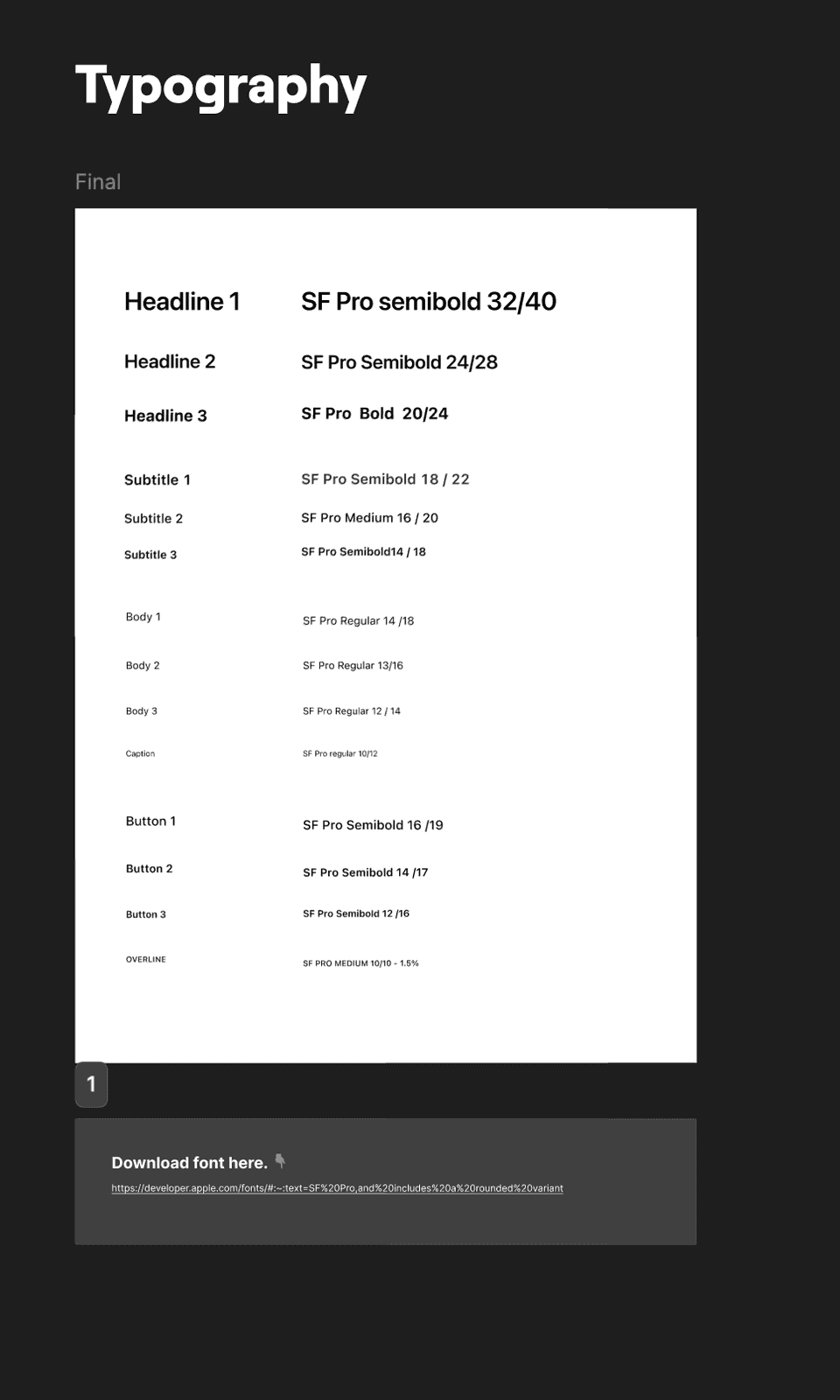
Typography
02 // ARCHIVE
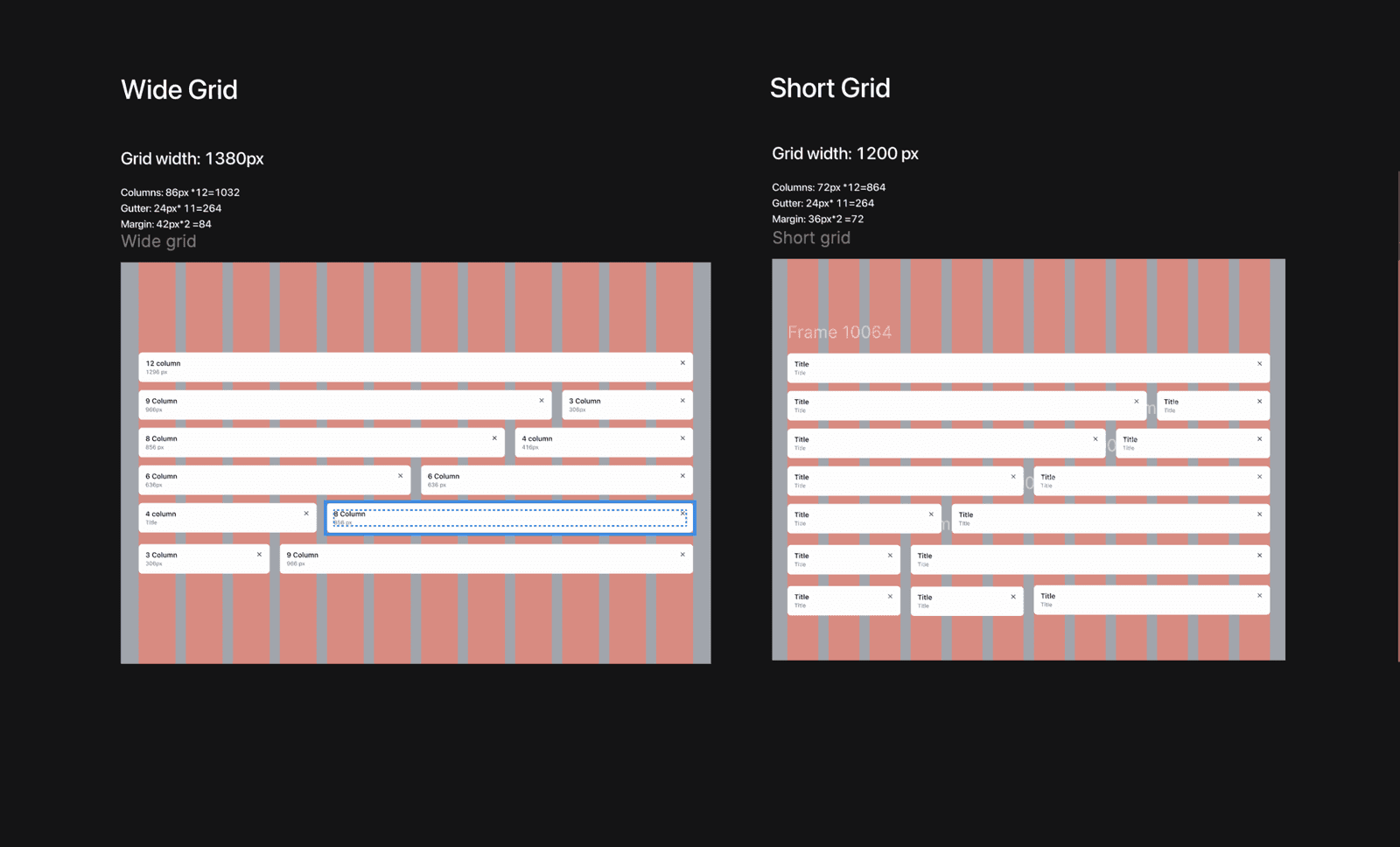
Layour Grid System
03 // ARCHIVE
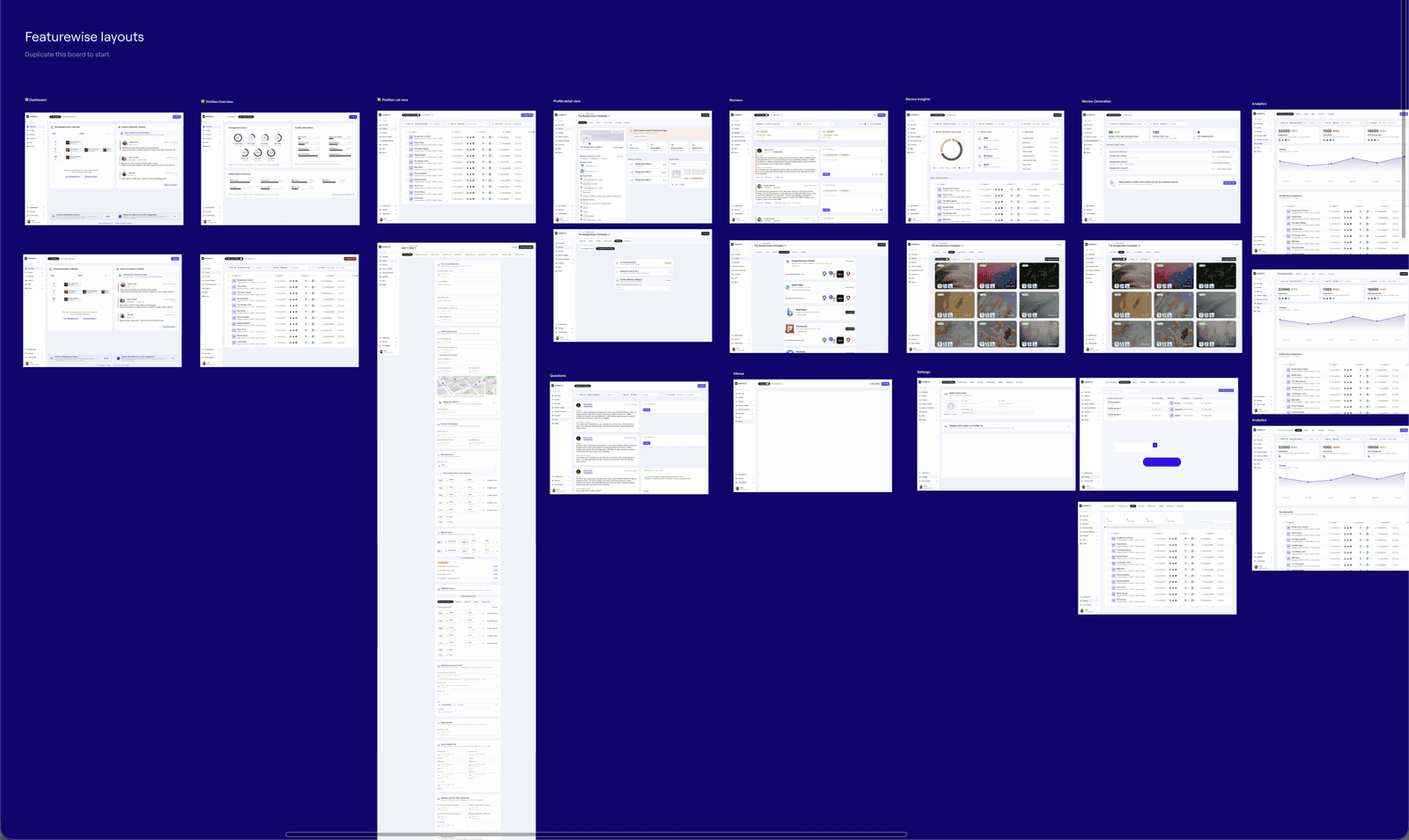
Feature wise ready to use layouts
04 // ARCHIVE
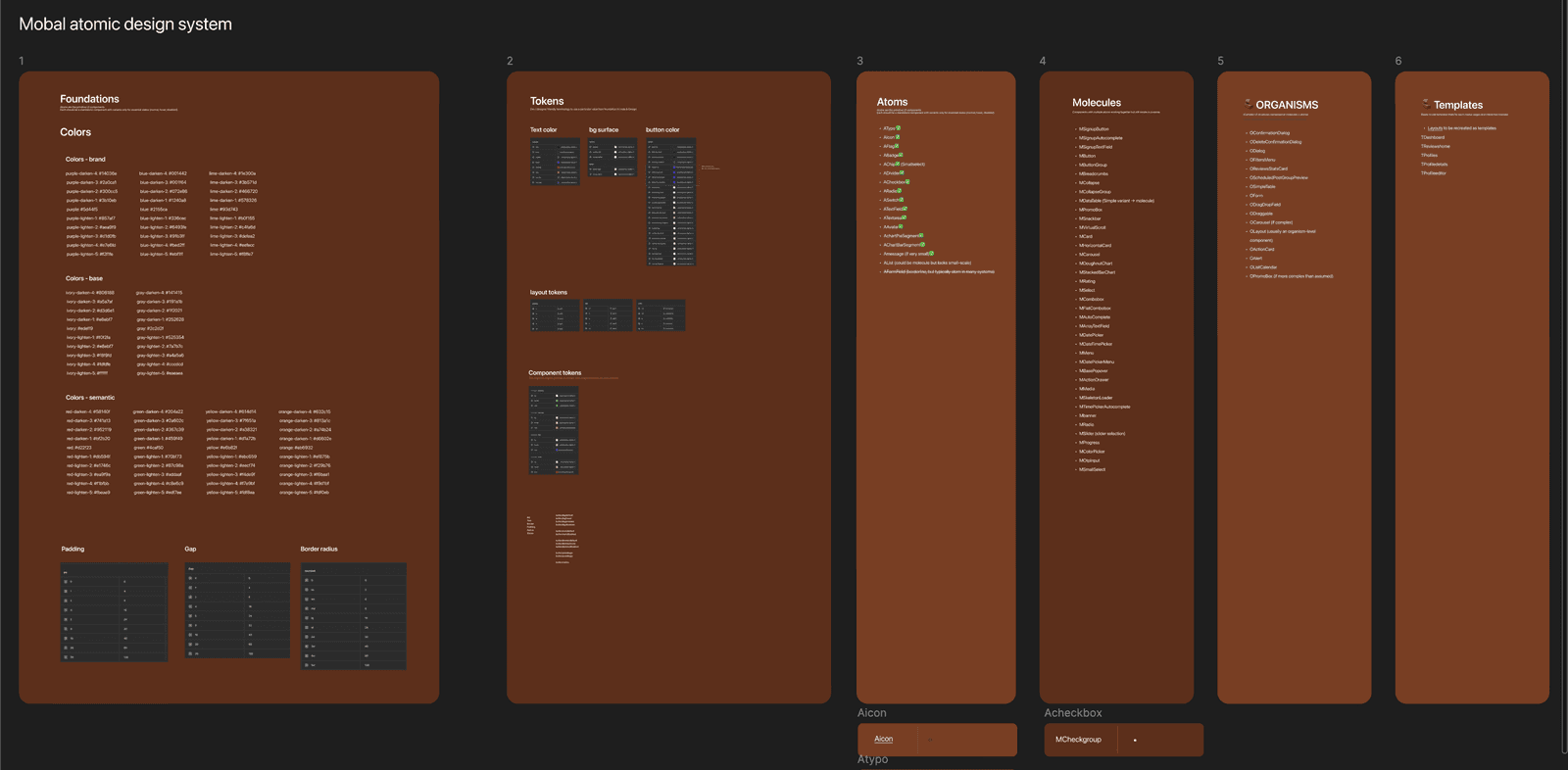
Components list based on Atomic system structure
05 // ARCHIVE
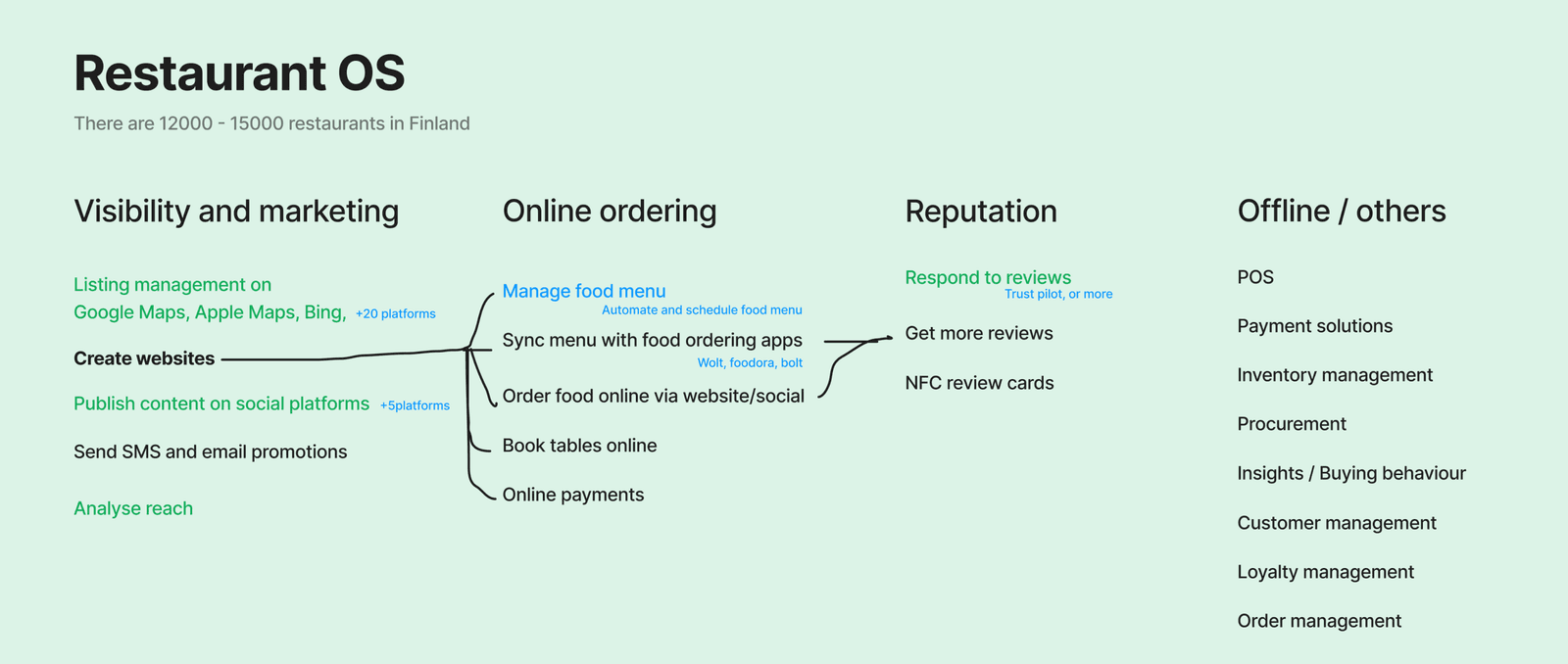
Mobal Next
The process
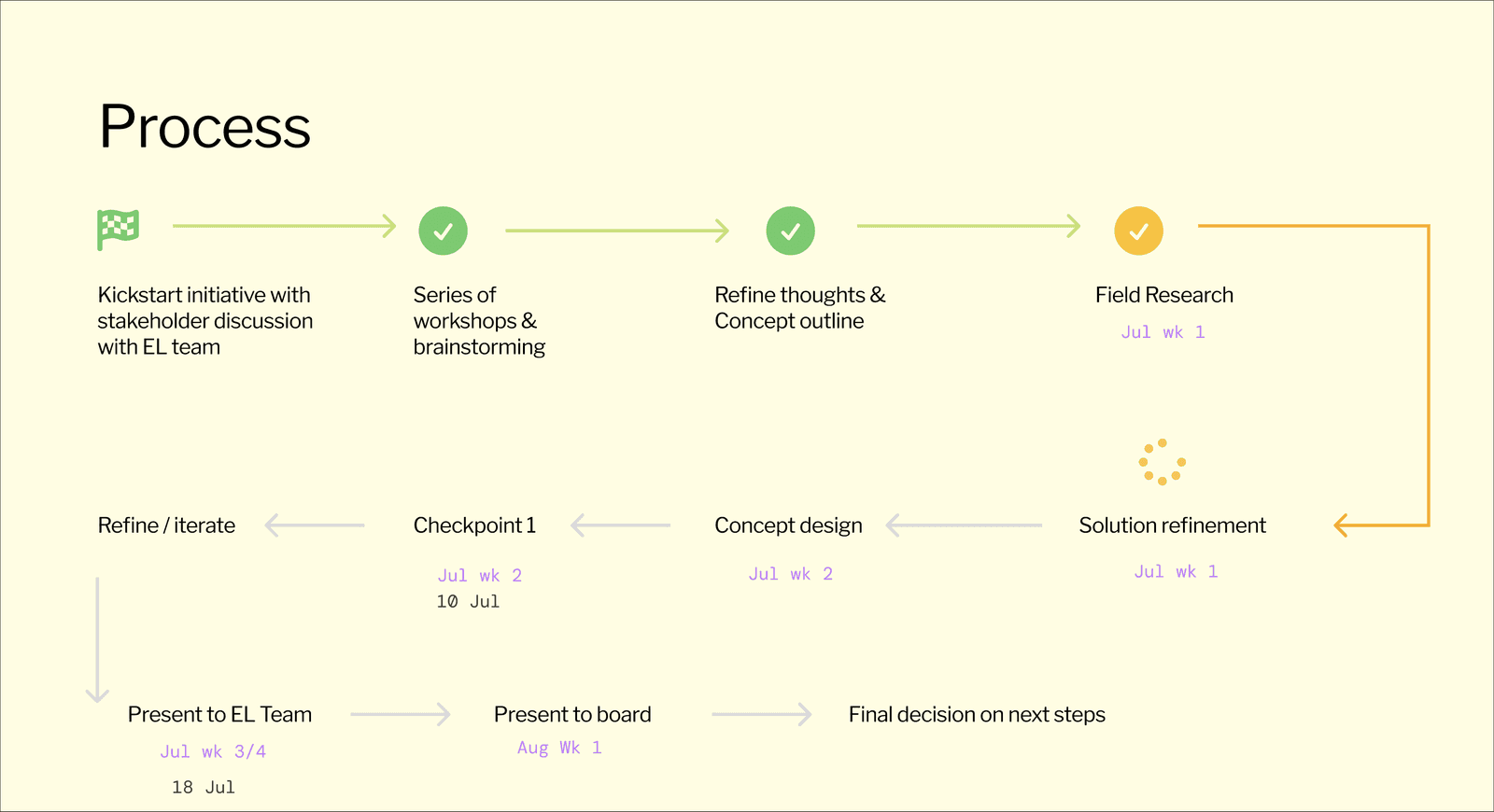
Jul Wk 1
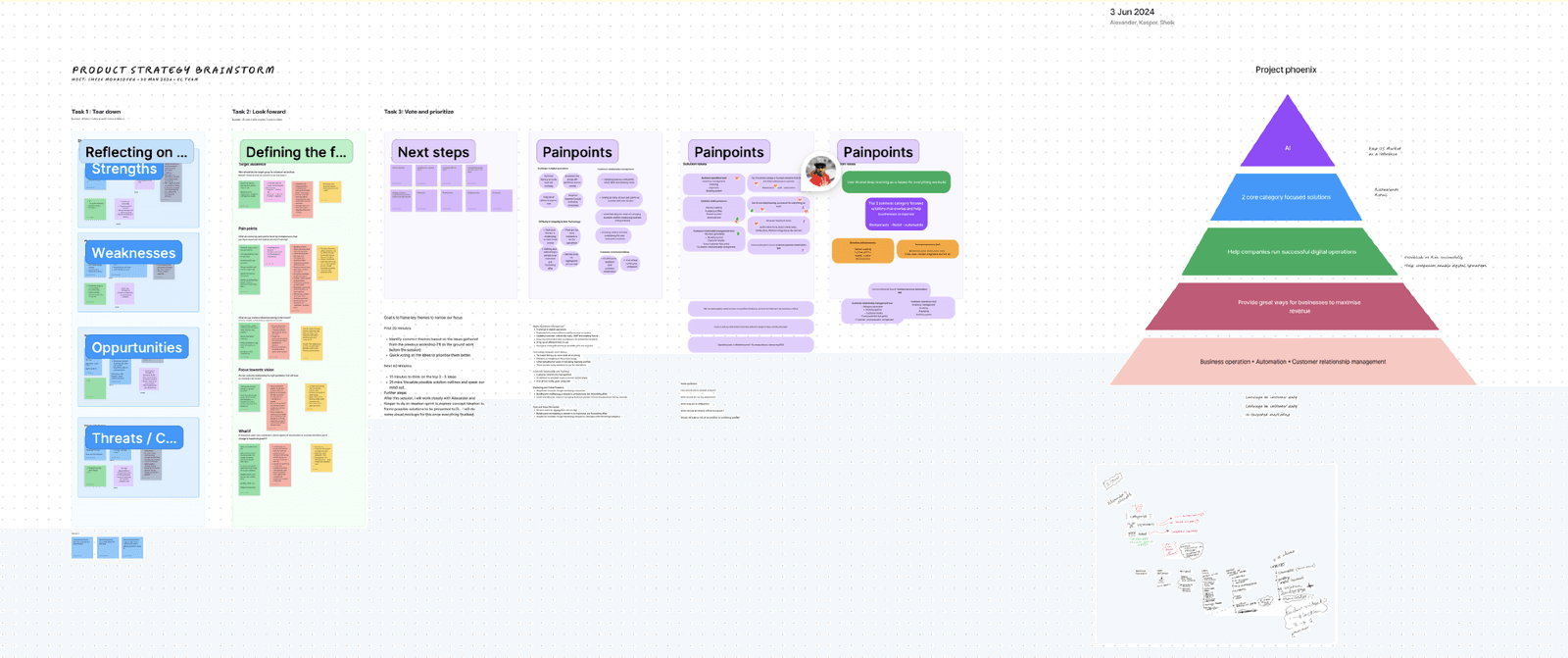
Stakeholder workshops
Ran a structured workshop with the full EL team — SWOT, pain point clustering, and directional brainstorm. Goal: think out loud, surface constraints, define a hypothesis worth testing.
Jul Wk 1–2
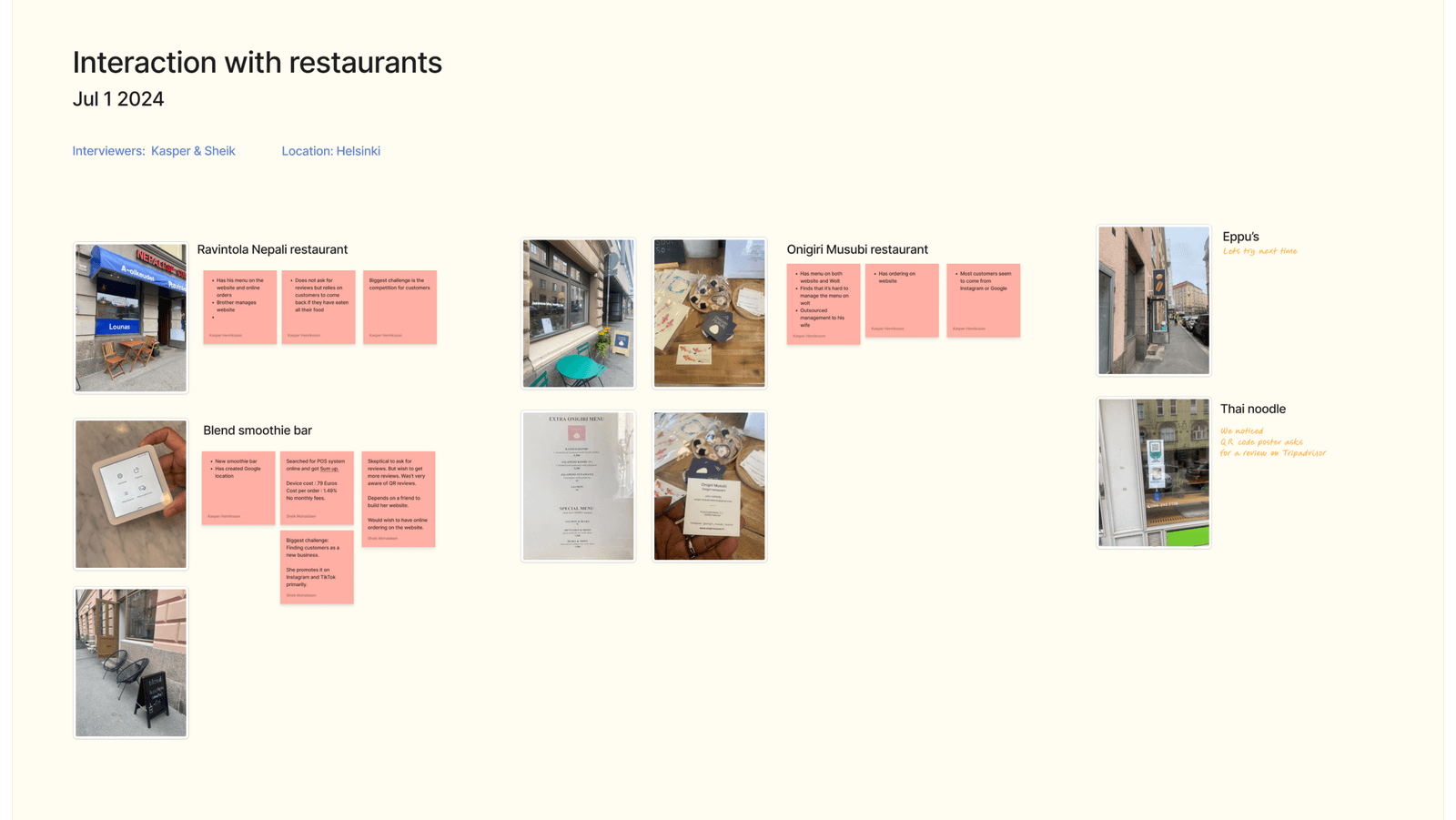
Helsinki field research
Went out with PM to interview restaurant owners directly — not a form, not a survey. Walked into businesses and watched how they actually managed their digital presence.
10 Jul
EL team presentation
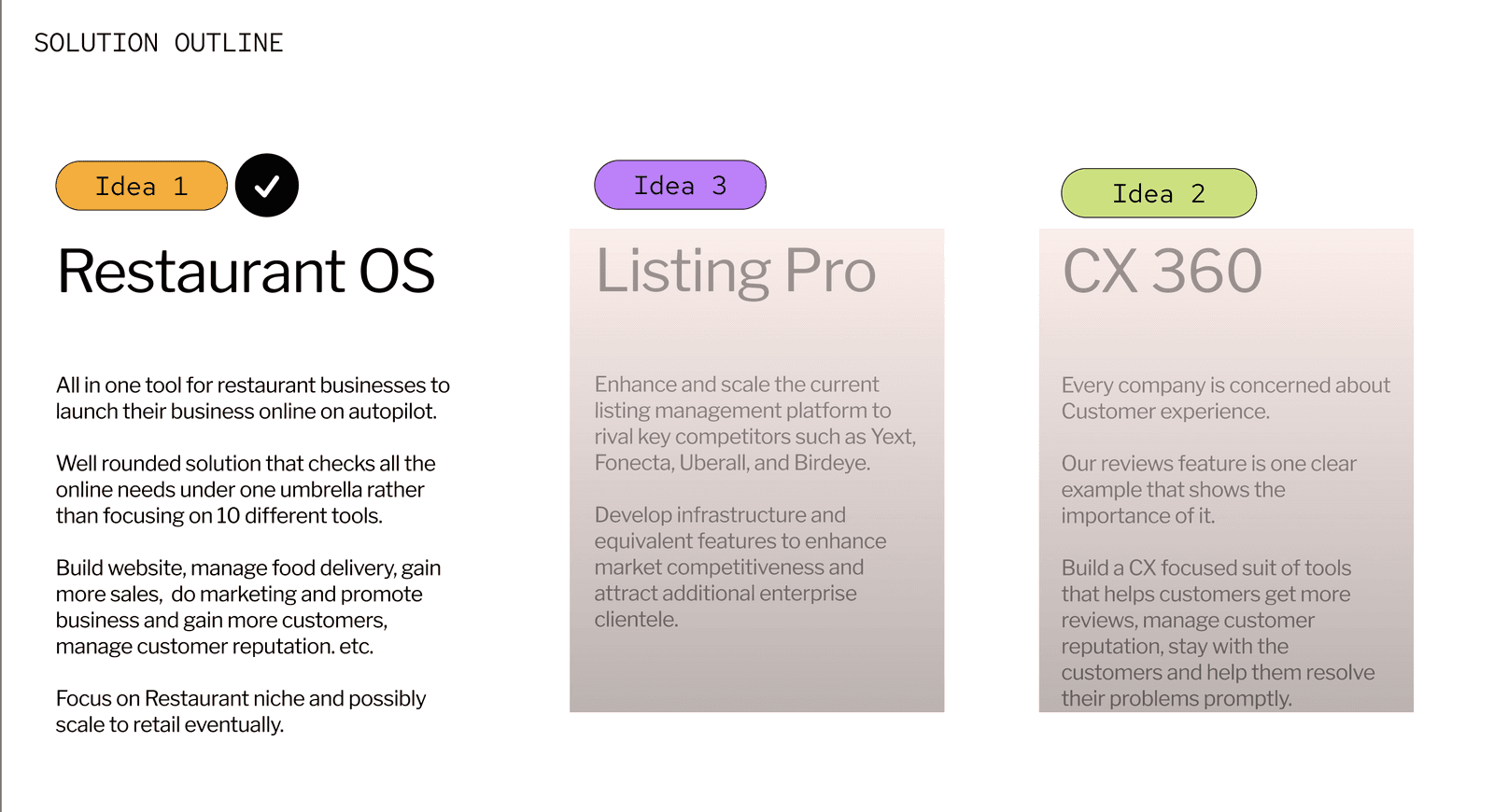
Presented three solution directions grounded in the research. Secured alignment on Restaurant OS as the primary direction.
Jul Wk 3–4
Concept refinement
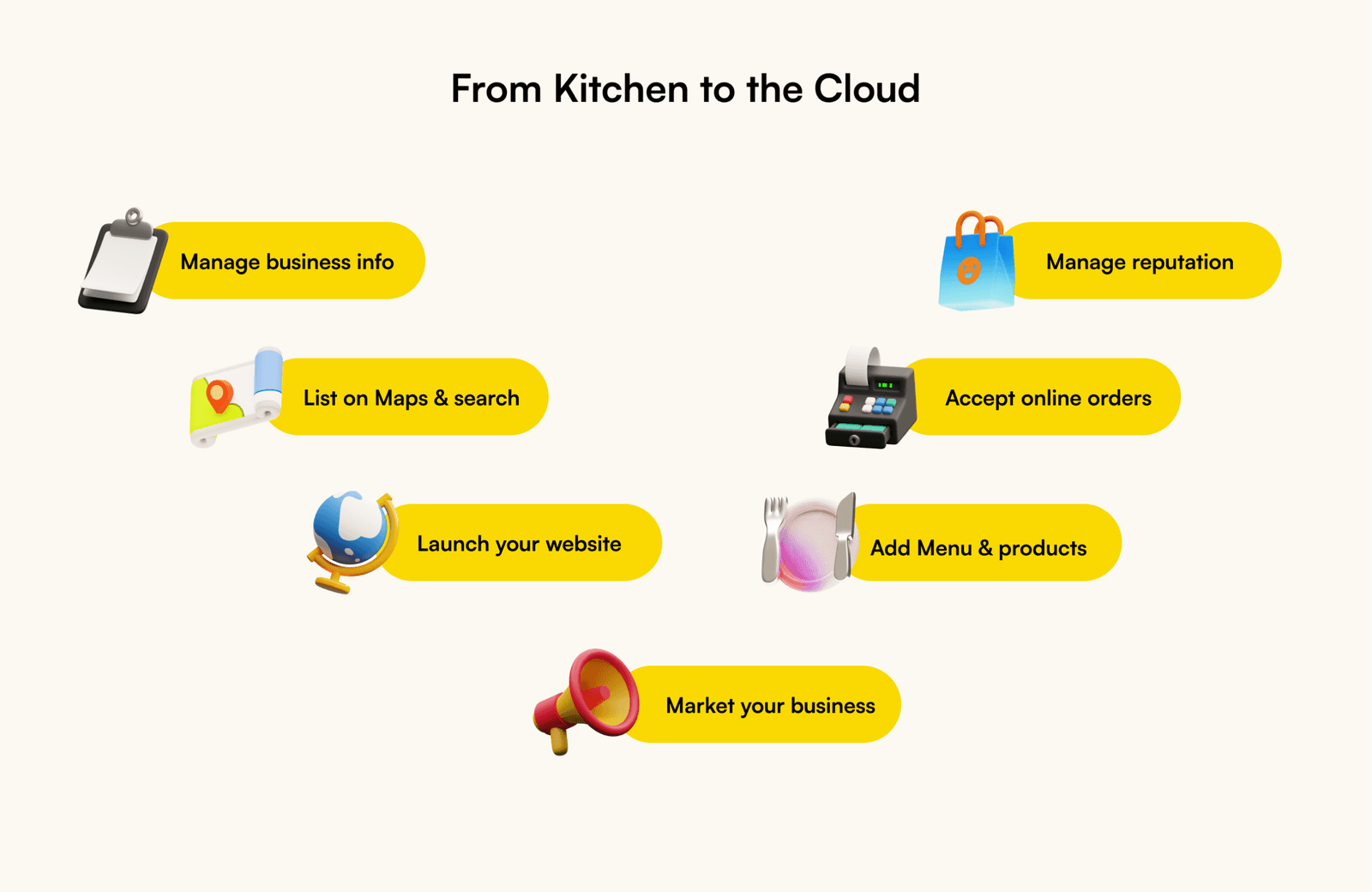
Developed the full Restaurant OS vision — “From Kitchen to the Cloud” — with market sizing, guiding principles, and capability map.
18 Jul → Aug
Board presentation → Raised next Funding
Our board Approved this approach to move forward. Became the basis for Mobal’s Bridge round in 2025 from Gorilla Capital to build our company’s future betting on Restaurant solution.
Key findings from Field research · Helsinki · Jul 1, 2024
Product manager and I walked into Helsinki restaurants and sat down with owners. around 10+ businesses. No screener, no agenda deck — just conversations about what running a restaurant’s digital presence actually looked like day to day.
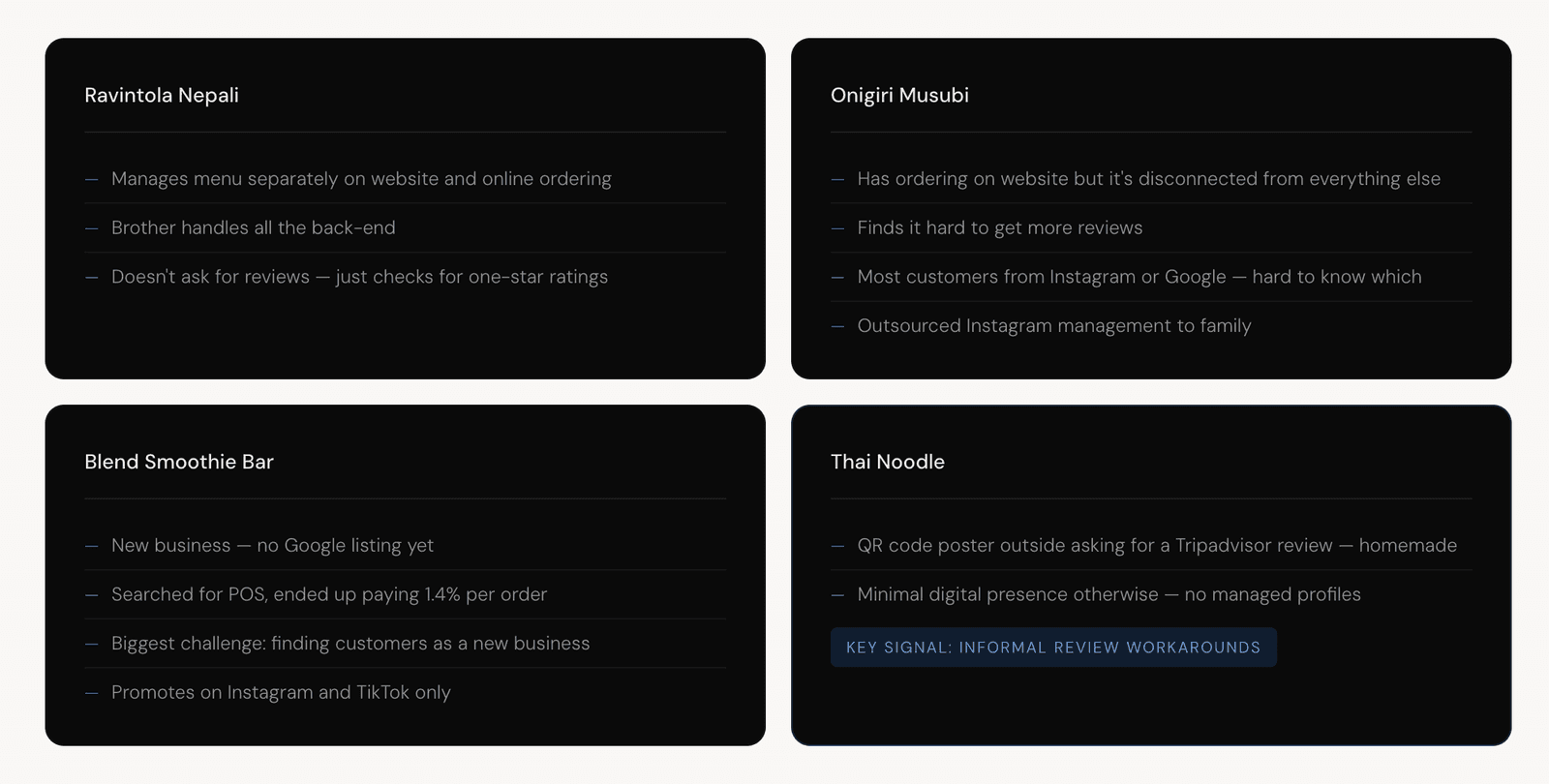
Pattern identified across all the interviews
Every owner was managing their digital presence manually, reactively, across disconnected tools — not because they didn’t care, but because no single platform let them do it from one place. Menu updates, reviews, ordering, social posts — all separate, all fragmented, all taking time they didn’t have.
Three directions considered - one chosen
The deck didn’t just propose Restaurant OS. It evaluated three distinct directions grounded in the research, and made an explicit case for which was right for Mobal at this stage.
Market case
The outcome
Leadership approved Restaurant OS. The board funded it. The Mobal Next deck — built from six weeks of workshops, field research, and strategic synthesis — became the foundation for the company’s Bridge Pre-Series A round from Gorilla Capital. Design work that directly contributed to a funding event after a series of product design and improvements that showed us a clear traction towards a solid growth path.
Key Learnings being a founding designer & leader.
01 — Early weeks matter most
The first weeks are when people speak openly. Good discovery in this window can change the product direction.
02 — Beliefs can limit growth more than tech
What worked early can become a ceiling later. Changing course needs evidence, not opinion.
03 — Strong foundations create speed
Once the core platform was right, every new feature became faster and more valuable.
04 — Senior design is about building leverage
Systems, research, and hiring enabled one designer to have outsized impact.
05 — Research is the fastest way to influence strategy
Customer evidence drove decisions. The story followed the work.